



Mr. Sanjib Kumar Das.
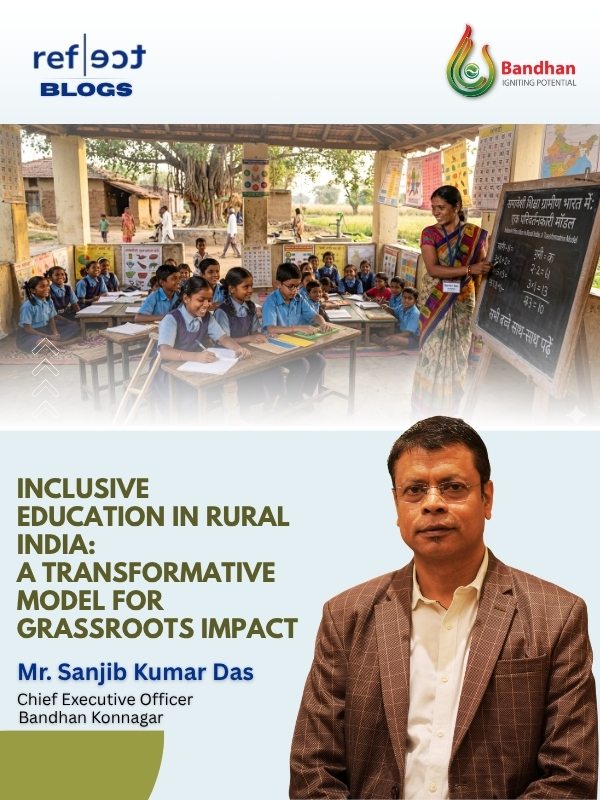
Why India Needs Inclusive English-Medium Rural Schools
Establishing a rural school especially one rooted in inclusive education requires more than infrastructure. It demands a thoughtful, community-driven approach that integrates education, language empowerment, health, livelihoods, and social transformation. In today’s India, adding an inclusive English-medium dimension is not a luxury—it is a necessity for equity and upward mobility.
India’s growth story is increasingly linked to communication, digital access, and global integration. However, a stark divide persists between urban and rural learners—especially in English communication skills and confidence.
- Bridging the Urban–Rural Opportunity Gap
English proficiency often determines access to higher education, corporate jobs, and emerging sectors. Rural students, despite talent, are disadvantaged due to lack of exposure. Inclusive English-medium schools democratize opportunity. - Enhancing Employability & Aspirations
From service industries to entrepreneurship, English has become a key enabler. Early exposure builds confidence, improves interview readiness, and opens pathways to diverse careers. - Supporting First-Generation Learners
Rural children, particularly from marginalized communities, need structured support systems. An inclusive English-medium environment—when blended with local language learning—ensures they are not left behind. - Enabling Digital & Global Access
Most digital content, higher education resources, and global knowledge platforms operate in English. Without language access, rural students remain excluded from the knowledge economy. - Building Confidence, Not Just Language
Inclusive English education is not about replacing mother tongues—it is about adding a skill. When taught sensitively, it enhances self-esteem and social mobility without eroding cultural identity.
Step-by-Step Model for Setting Up a Rural Inclusive School in India
Step 1: Baseline Study & Community Mapping
- Survey literacy, school access, and English exposure levels
- Identify out-of-school children and special needs learners
- Understand language dynamics (local dialects vs. English readiness)
Outcome: Contextual understanding of both educational and language gaps
Step 2: Community Mobilization & Mindset Shift
- Address myths around English-medium education
- Build awareness that English is a skill, not a barrier
- Engage parents, Panchayats, and local influencers
Outcome: Trust and acceptance of inclusive English learning
Step 3: Define a Bilingual Inclusive Model
- Adopt a blended approach: Local language (foundation) + English (progression)
- Focus on comprehension before fluency
- Ensure no child is excluded due to language barriers
Outcome: Balanced, child-friendly language model
Step 4: Infrastructure with Inclusion at Core
- Accessible classrooms (ramps, seating, lighting)
- Language-rich environment (charts, visual aids, word walls)
- Safe and engaging learning spaces
Outcome: Enabling environment for diverse learners
Step 5: Curriculum & Pedagogy Design
- Foundational Literacy & Numeracy in mother tongue initially
- Gradual English immersion through activities, stories, and interaction
- Use phonics, storytelling, and experiential learning
Outcome: Strong conceptual clarity with language development
Step 6: Teacher Recruitment & Specialized Training
- Hire local teachers and train them in bilingual pedagogy
- Build teacher confidence in spoken English
- Train in inclusive education and differentiated instruction
Outcome: Teachers as facilitators of both inclusion and language
Step 7: English Exposure Ecosystem
- Daily conversational English practice
- Activity-based learning (role plays, storytelling, group work)
- Language labs or audio-visual tools (even low-cost solutions)
Outcome: Natural and fear-free English learning
Step 8: Health, Nutrition & Wellbeing Integration
- Regular health screening (including learning disabilities)
- Nutrition programs to support cognitive development
- Socio-emotional learning support
Outcome: Holistic readiness to learn
Step 9: Technology as a Language Equalizer
- Use digital content for English listening and comprehension
- Offline apps and smart classrooms for rural settings
- Assistive tech for children with special needs
Outcome: Accelerated and accessible learning
Step 10: Enrollment & Retention Strategy
- Focus on girls, marginalized communities, and first-generation learners
- Provide scholarships and transport support
- Track attendance and prevent dropouts
Outcome: Inclusive participation
Step 11: Parent Engagement & Confidence Building
- Orient parents on how children learn English
- Encourage home-level support without pressure
- Showcase student progress through events
Outcome: Parents become partners, not barriers
Step 12: Monitoring Learning Outcomes
- Track both academic and language development
- Focus on confidence, comprehension, and communication
- Use continuous assessment methods
Outcome: Measurable impact
Step 13: Career Pathways & Future Readiness
- Introduce career awareness early
- Link English proficiency with real-life opportunities
- Connect with skill development and higher education pathways
Outcome: Education aligned with aspirations
Conclusion
India stands at a critical juncture where its demographic dividend can either be accelerated or constrained by inequity in education. Rural inclusive English-medium schools represent a powerful solution—bridging divides of geography, language, and opportunity.
This is not about creating “English-speaking students,” but about building confident, capable individuals who can participate fully in India’s growth story without losing their roots.
An inclusive, bilingual, and community-driven rural school model has the potential to transform not just classrooms—but entire generations.