


Mr. Tamal Pathak

The Growth Story We Rarely See:
India’s development story has delivered visible gains in growth, infrastructure, and inclusion. Yet beneath this progress lies a persistent and uncomfortable reality: millions of households remain trapped in chronic, multidimensional poverty. These families live with unstable incomes, few or no productive assets, poor nutrition, insecure housing, weak access to health and education, and repeated exposure to climate and economic shocks. For them, conventional poverty alleviation schemes offer only partial relief. The next decade requires a deeper, more deliberate approach to livelihood building—one that directly addresses the realities of extreme deprivation and long-term vulnerability. This roadmap outlines how NGOs and policymakers can work together to create sustainable pathways out of poverty for India’s hardest-hit communities.
Living Without Security: The Daily Reality of the Hard-Core Poor
For hard-core poor households, the most immediate challenge is the absence of stable work and assets. Landless labourers, seasonal migrants, urban homeless populations, and single deprived women depend largely on daily-wage labour and informal work that offers no predictability or protection. Employment security must therefore remain a central pillar of the next decade’s strategy. Strengthening MGNREGA through an expansion of workdays, faster wage payments, and a sharper focus on climate-resilient community assets can significantly stabilize rural livelihoods. Alongside this, India must scale up urban employment guarantee models to support the growing informal workforce in towns and cities. Equally important is service delivery at the doorstep. The hardest poor often cannot afford repeated travel to training centres or government offices. NGOs must therefore take mobile skill training, job information, placement camps, and documentation services directly into communities. Policymakers should institutionalize such outreach models within district skill and livelihood systems.
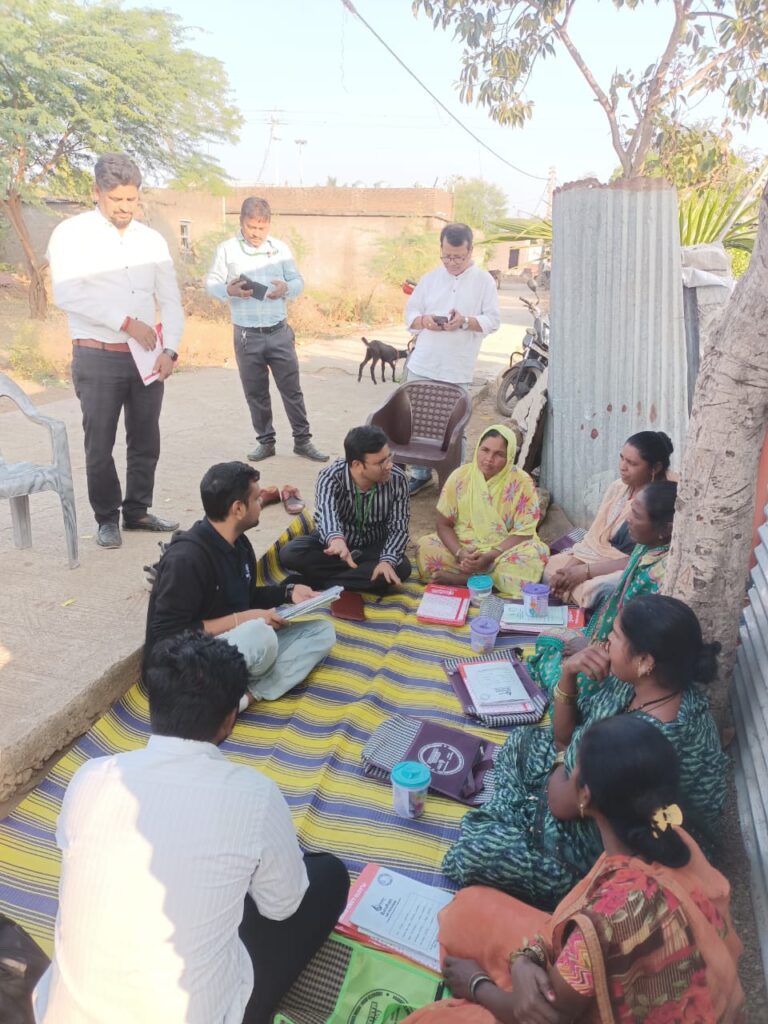
Taking Services to the Doorstep, Not the Other Way Around
Evidence from across the world shows that ultra-poor graduation programs are among the most effective tools for lifting households out of extreme poverty. These programs work because they combine immediate consumption support with productive asset transfer, skills development, financial literacy, and long-term mentoring. In India, graduation models must be expanded at scale, particularly in districts with high concentrations of deprivation. Temporary cash or food support allows families to stabilize consumption, while simple livelihood assets such as goats, poultry units, sewing machines, or small retail setups create a base for income generation. This must be backed by 24 to 30 months of intensive handholding to build confidence, discipline, and entrepreneurship. NGOs like Bandhan and BRAC have already demonstrated strong outcomes through this approach. What is now required is national-level policy integration.
Climate Change: The New Face of Poverty
Climate change has emerged as one of the most powerful poverty multipliers in India. The poorest communities are concentrated in the most climate-vulnerable regions—flood-prone river basins, drought-affected interiors, cyclone-exposed coastal belts, and fragile forest and tribal landscapes. Livelihood strategies for the next decade must therefore be climate-resilient by design. Small livestock rearing, floodplain fisheries, drought-resistant millets, nutrition-focused kitchen gardens, and the sustainable collection of non-timber forest produce can generate reliable incomes even under environmental stress. In urban areas, waste recycling and segregation offer both income and ecological benefits. Public works under MGNREGA must increasingly focus on water conservation, land restoration, and local climate adaptation. Village-level climate action labs can help train communities in simple adaptation techniques, while climate insurance, green jobs, and renewable energy skills must become integral to livelihood planning.
Women Are Not Beneficiaries: They Are Economic Anchors
Women from ultra-poor households remain among the most marginalized economic actors in the country, despite being central to household survival. Restricted mobility, lack of childcare, exposure to domestic violence, and limited access to markets continue to suppress their earning potential. The next decade must place women at the heart of livelihood transformation. Home-based and localized micro-enterprises such as tailoring, food processing, soap and masala production, small retail, and repair services can allow women to earn without disrupting social realities. The systematic expansion of crèche services will be critical to freeing women’s time for productive work. Women’s collectives under the National Rural Livelihoods Mission must be strengthened to provide credit, training, and solidarity. At the same time, ultra-poor women must receive priority access to core entitlements such as banking, housing, cooking fuel, and social protection. For NGOs, the focus must go beyond skills to sustained confidence building and leadership development.
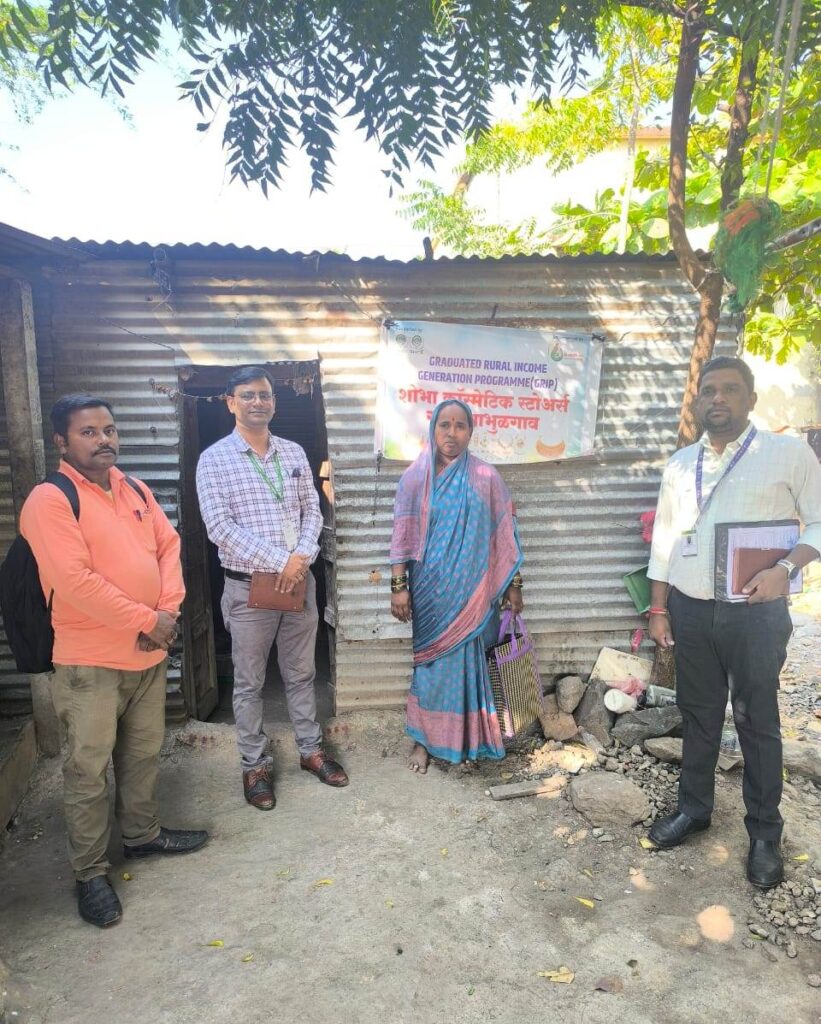
Migrants: The Invisible Workforce Powering India
Migrant workers and homeless populations form one of the most invisible segments of India’s poor. Distress migration continues to feed brick kilns, construction sites, farms, tea gardens, and urban informal sectors. These workers often move without documentation, social security, or safe housing, and many migrate with children whose education is repeatedly disrupted. The next decade demands a robust national support architecture for migrants. Migrant resource centers at major transit points can provide legal aid, job information, healthcare referrals, and emergency support. The full implementation of portable entitlements such as One Nation One Ration Card, national health portability, and access to safe rental housing under the Affordable Rental Housing Complex scheme is essential. NGOs can play a vital role in mapping migrant flows, assisting with identity documents, and ensuring continuity of education for migrant children.
Entrepreneurship That Does Not Trap the Poor in Debt
For the hard-core poor, entrepreneurship must be accessible, low-risk, and grounded in local realities. Large investments, complex compliance requirements, or high market volatility can easily push families into deeper debt. Simple livelihood models such as organized waste collection, roadside vending, mobile shops, small livestock rearing, broom and leaf-plate making, bamboo crafts, home-based food production, tailoring, and mobile phone repair offer realistic entry points. Policymakers must ensure easy access to small working capital through PM SVANidhi, SHG-linked credit, and microfinance, supported by zero-collateral loans and digital market access through platforms such as ONDC. NGOs must complement credit with basic business training, digital payment literacy, and structured access to local and online markets.
Social Protection: The Bedrock of Sustainable Livelihoods
No livelihood strategy for the hard-core poor can succeed without a strong foundation of social protection. When households are forced to choose daily survival over long-term planning, entrepreneurship cannot take root. Universal access to ration systems, health coverage under Ayushman Bharat, pensions for widows, the elderly, and persons with disabilities, nutritious food through ICDS, safe housing under PMAY, and access to drinking water and sanitation form the essential safety net. NGOs remain indispensable in identifying exclusion errors, supporting documentation, and ensuring that the poorest citizens actually receive their entitlements.
The Road Ahead: From Fragmentation to Ecosystems
India’s next decade of poverty reduction must move beyond fragmented interventions toward an integrated livelihood ecosystem for the hardest poor. Sustainable change will depend on continuous handholding, strong social protection, climate-resilient income options, accessible micro-enterprises, legal identity, and deep community participation. If NGOs bring trust, innovation, and last-mile reach, and policymakers bring scale, financing, and institutional backing, India can create a future where even the poorest households achieve dignified, resilient, and sustainable livelihoods—and finally break the cycle of chronic poverty.