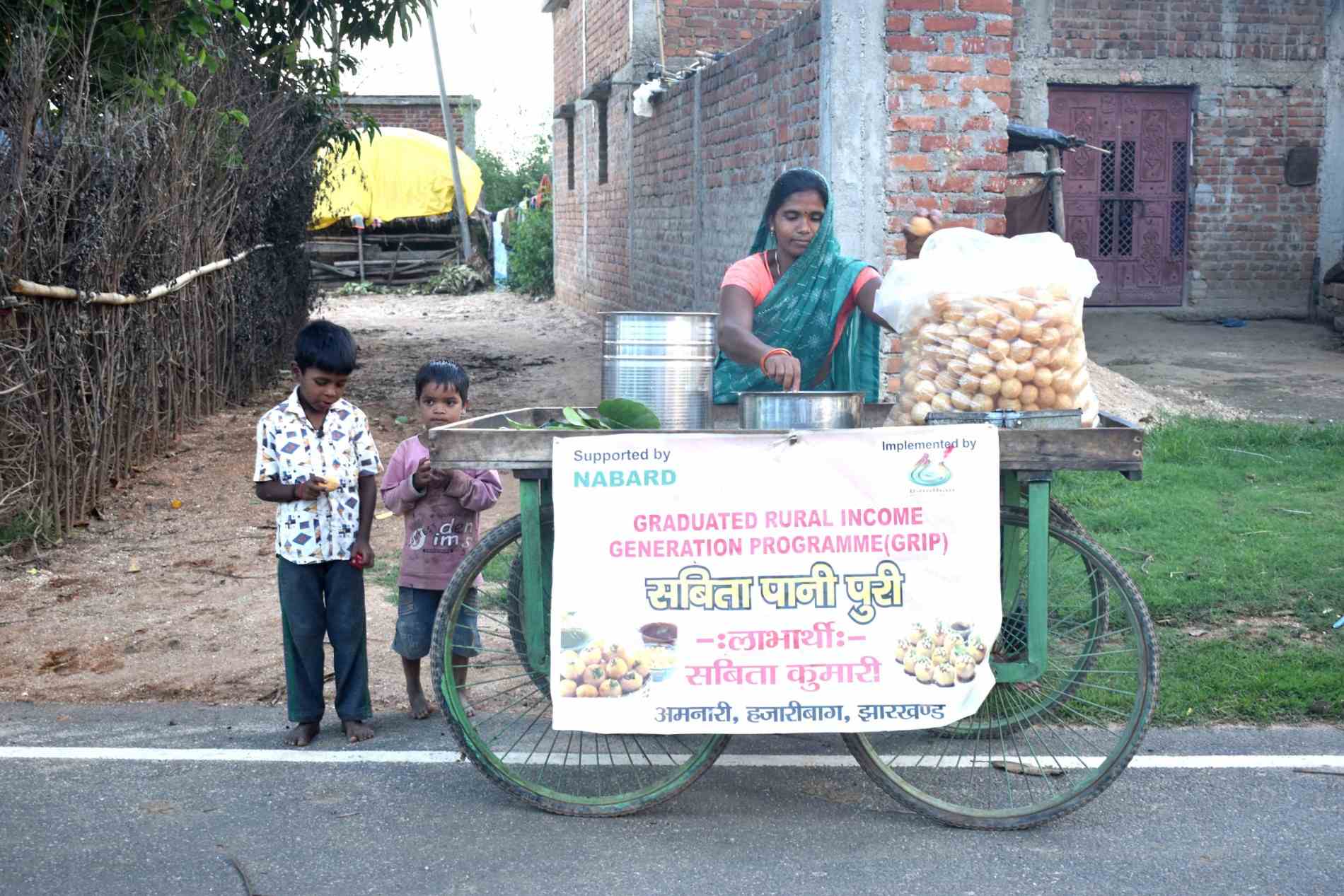
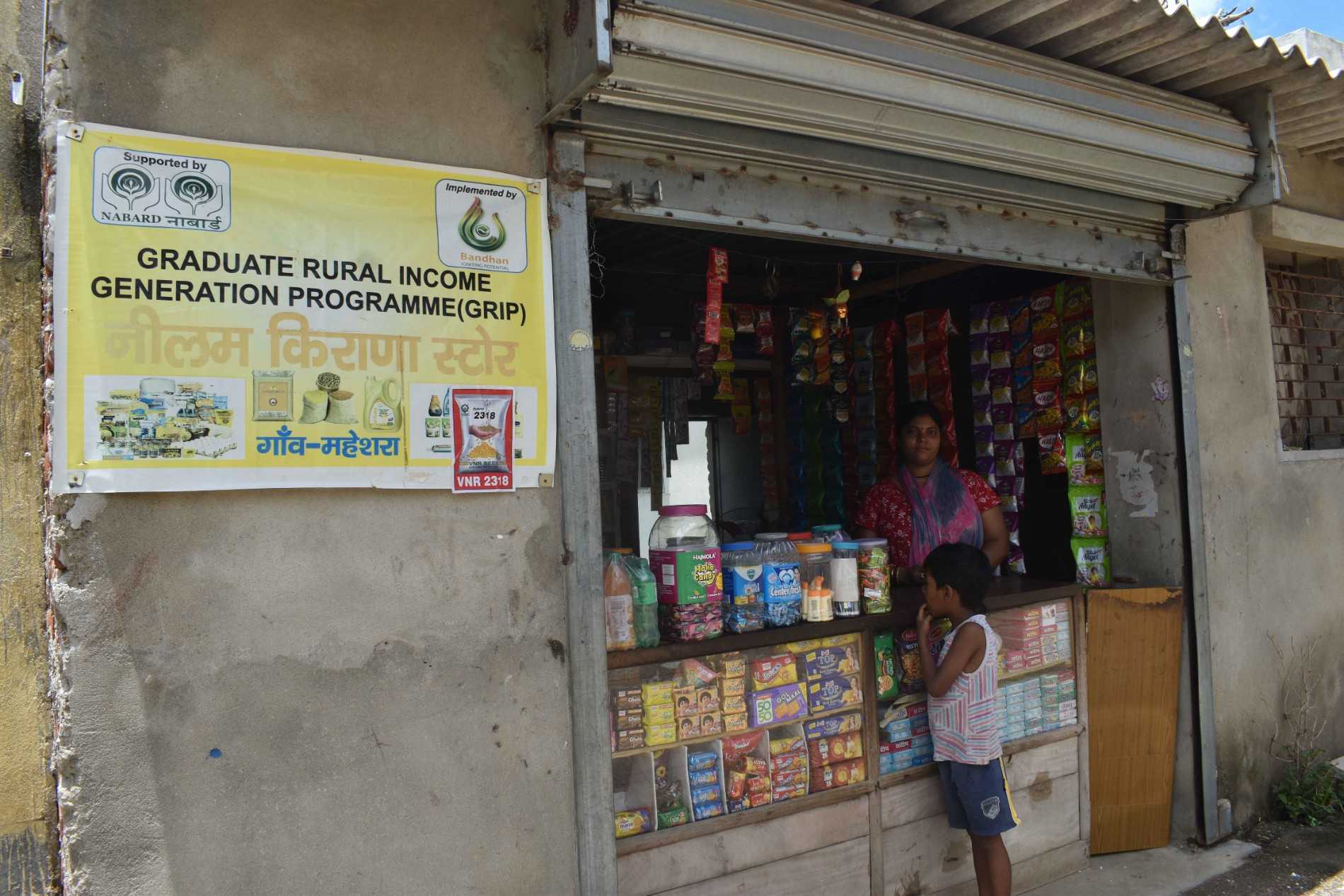
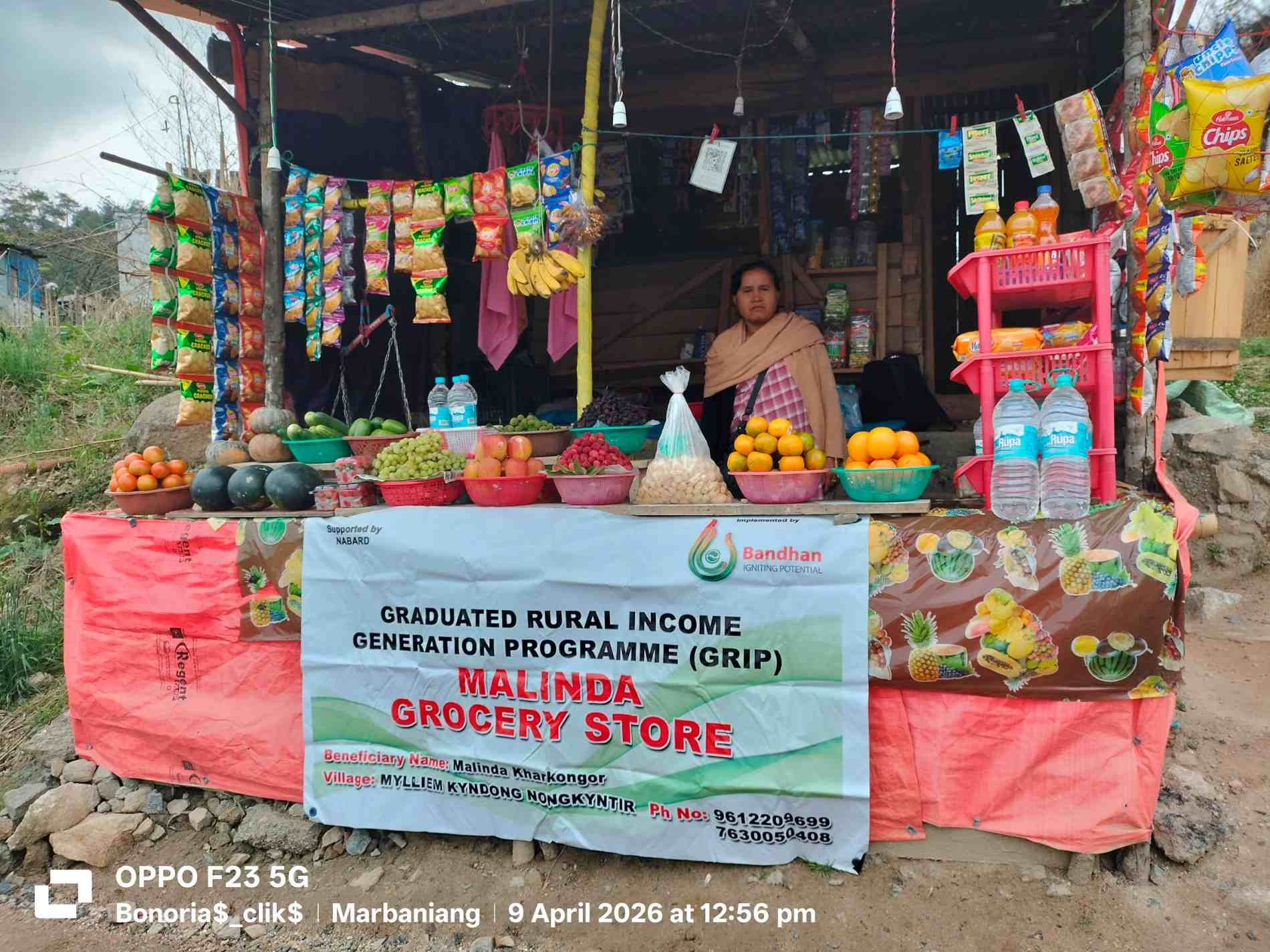
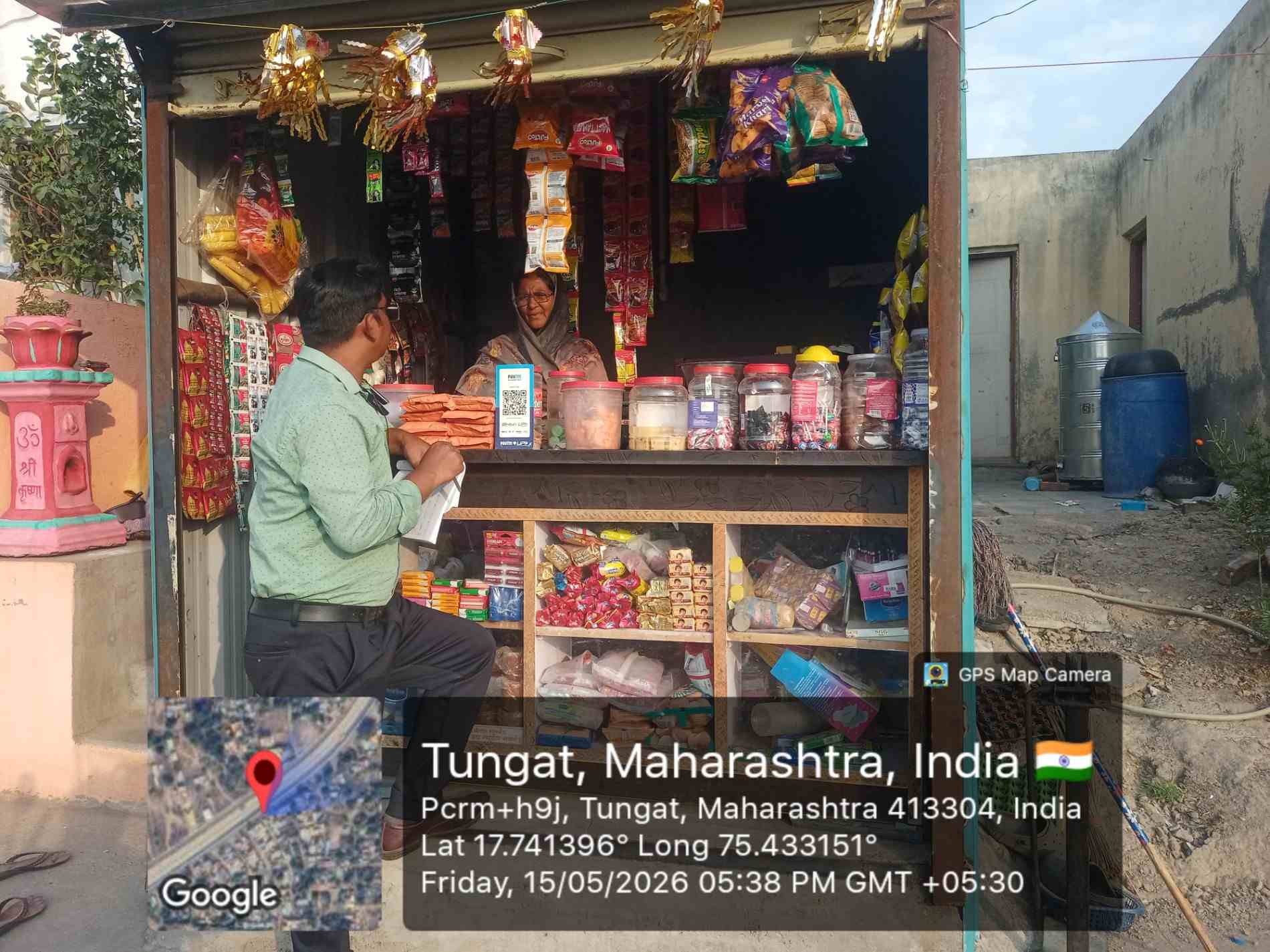
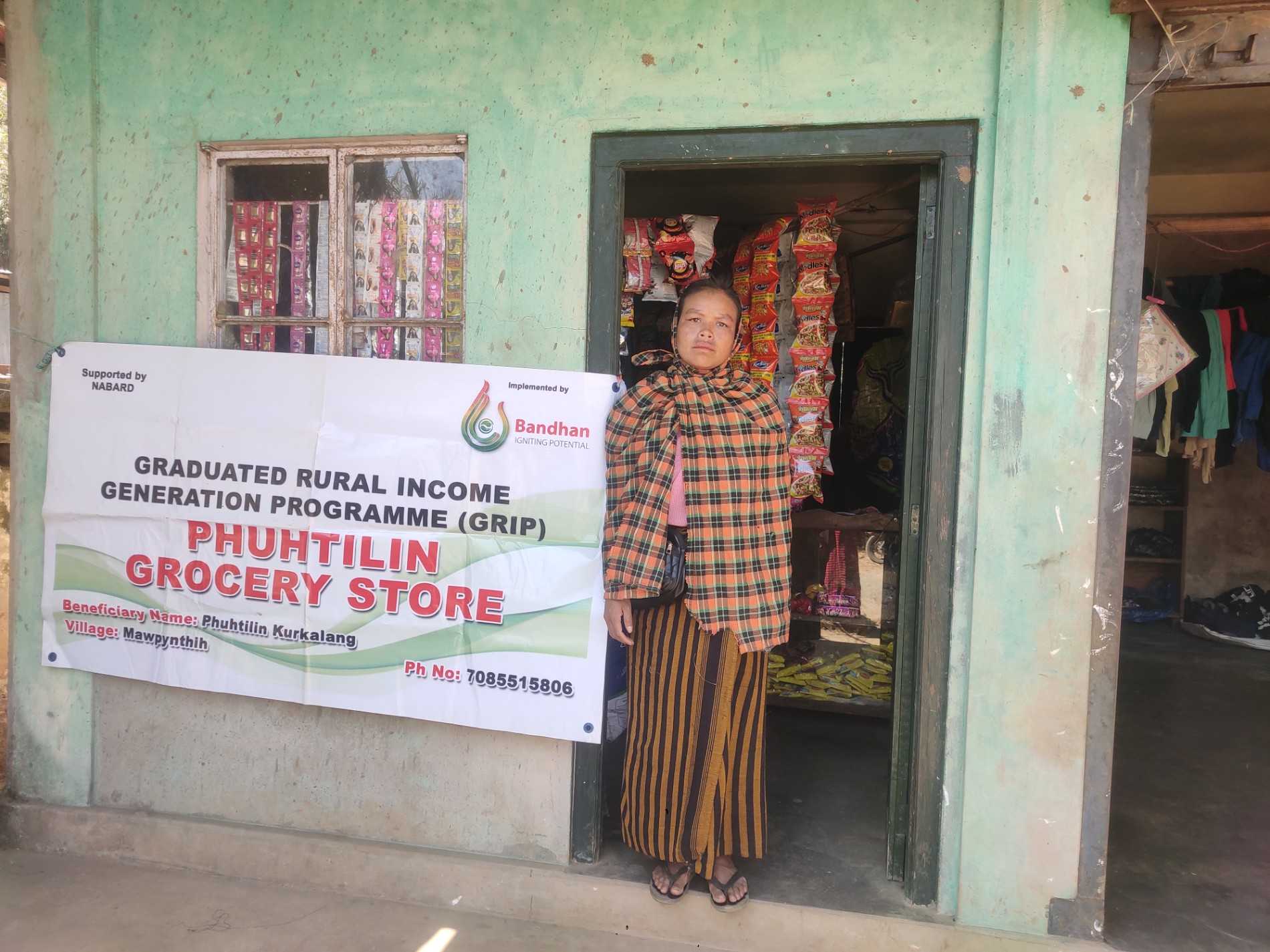
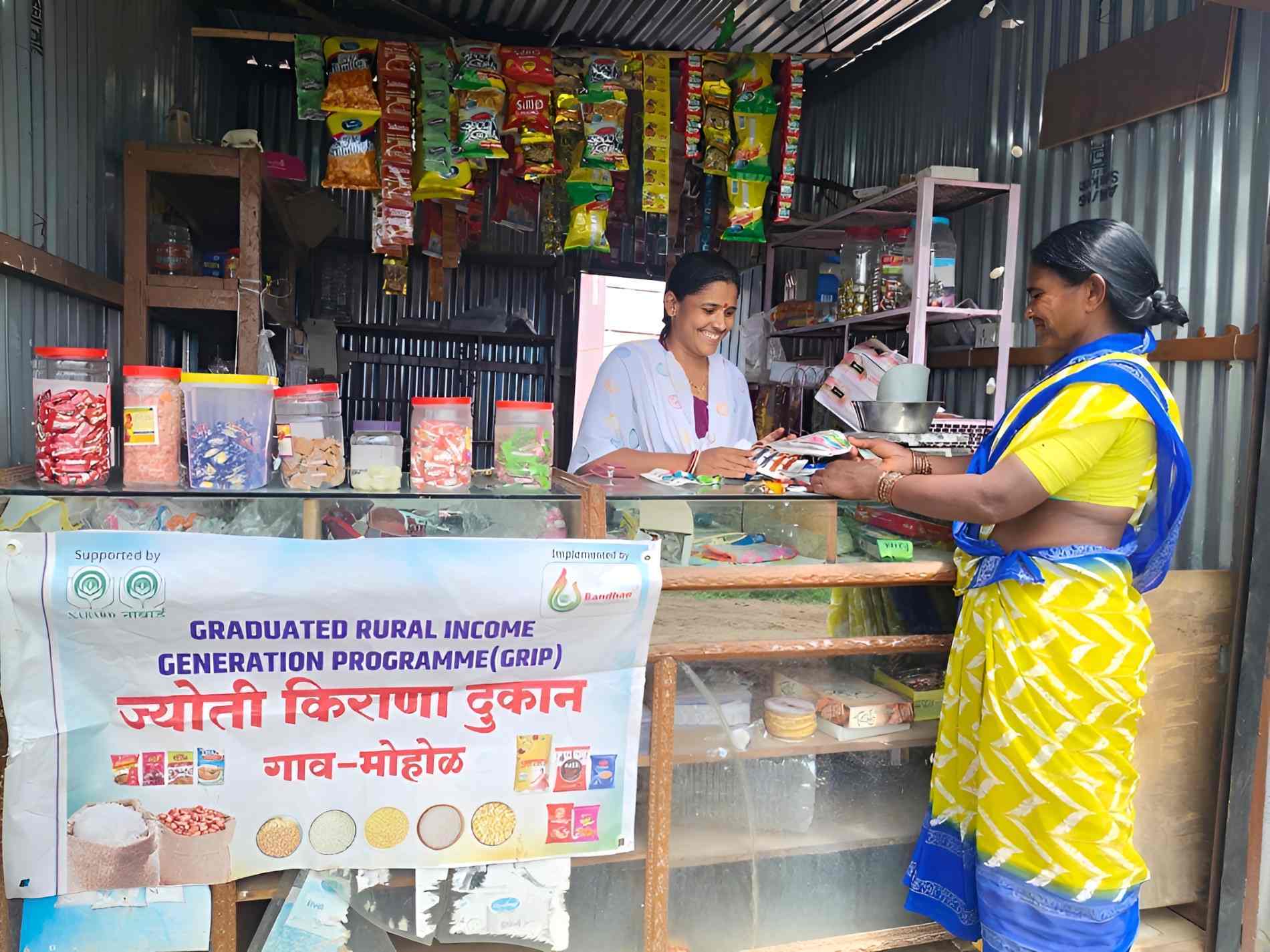
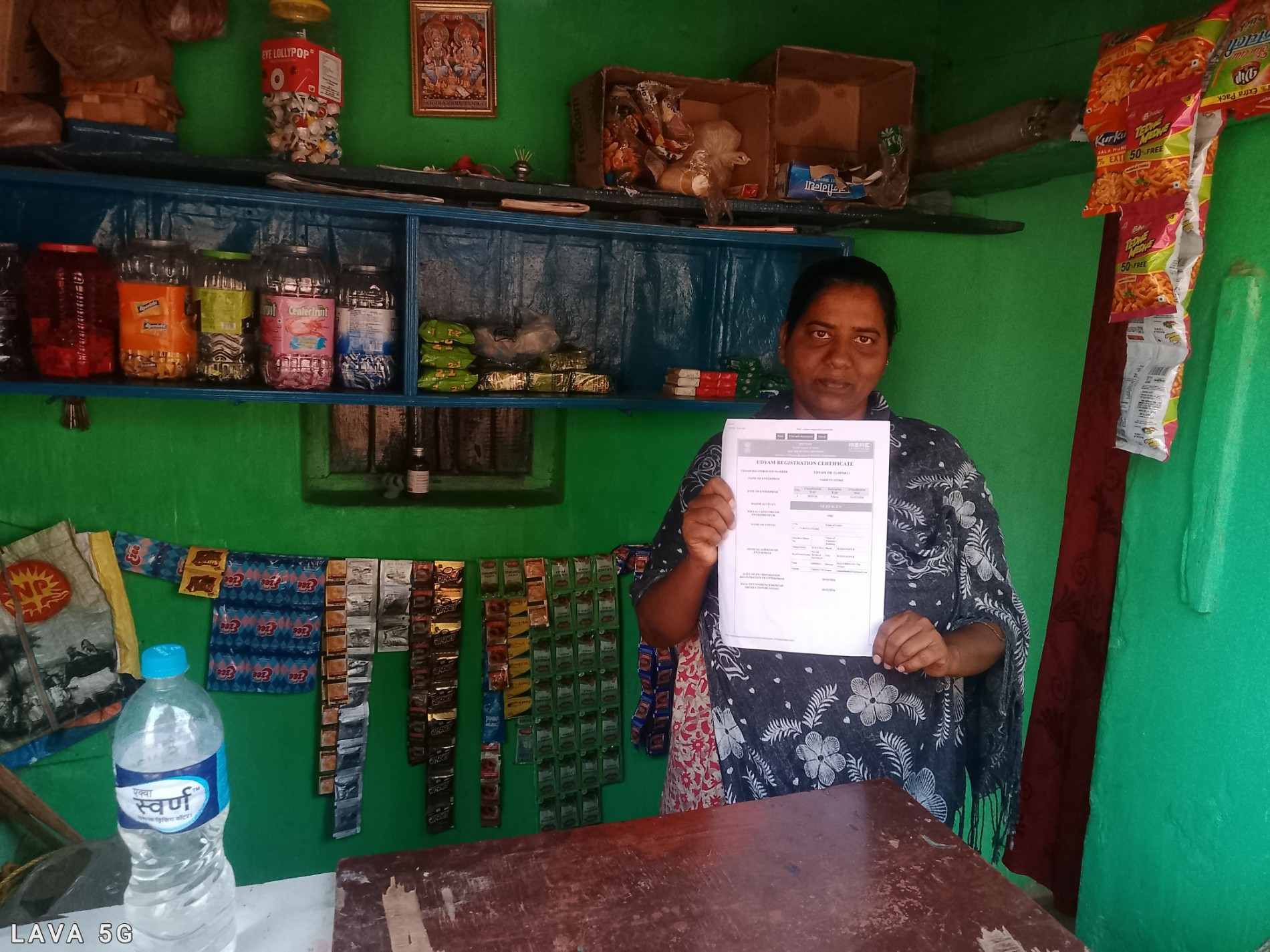
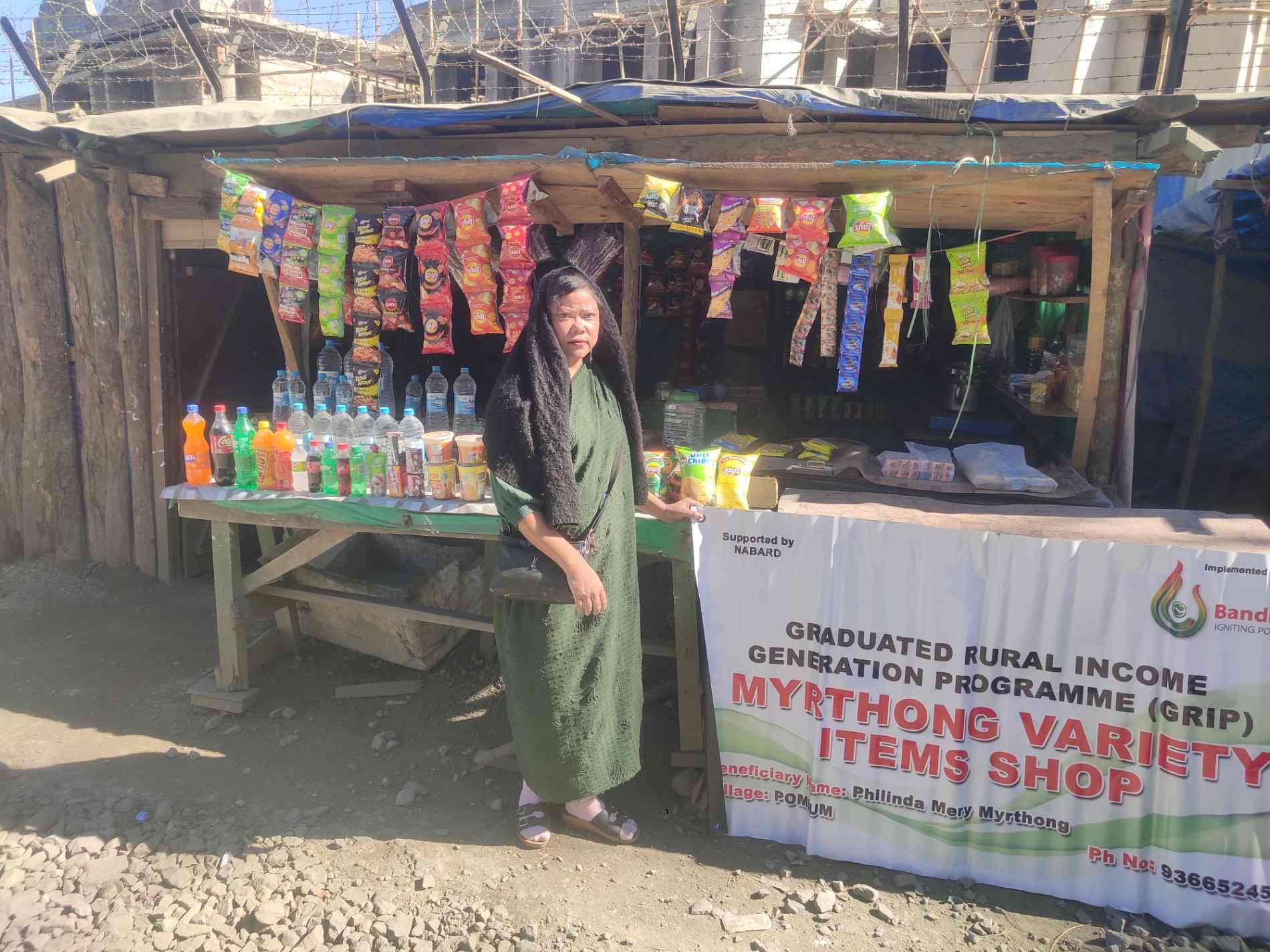
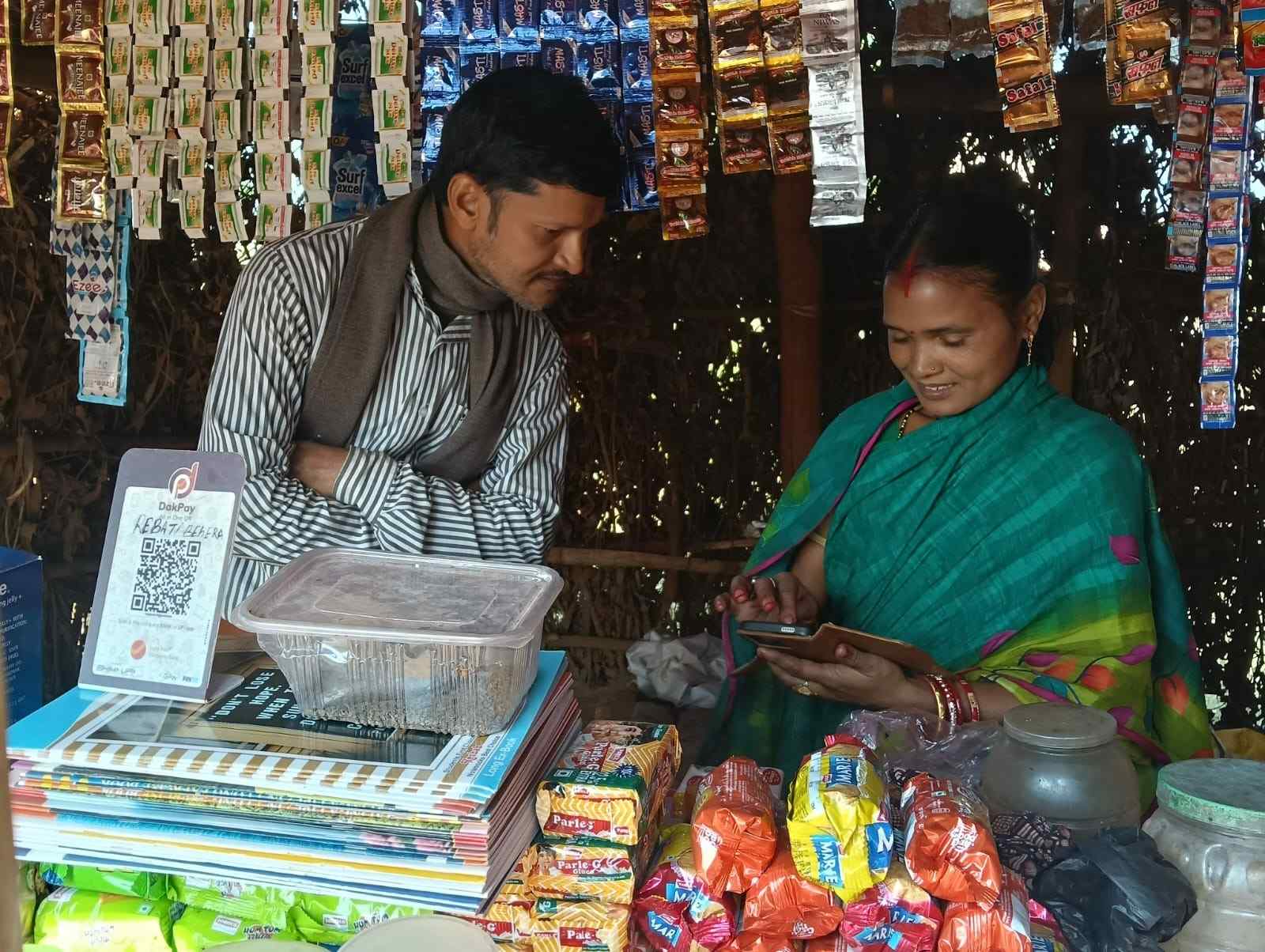
Non-Farm Livelihoods
Microenterprises and locally relevant businesses that create regular income and opportunities for future growth.


From Financial Inclusion to Sustainable Livelihoods. A returnable grant model enabling rural ultra-poor households to create productive assets, generate sustainable income and become credit-ready.
For ultra-poor households, the barriers to sustainable livelihoods go beyond income. Limited productive assets, financial exclusion and restricted access to formal credit often prevent families from building stable and sustainable sources of income.
GRIP addresses these challenges through a structured pathway that combines productive asset creation, capacity building, continuous handholding and mentoring, financial inclusion and credit linkages — enabling households to strengthen their livelihoods and progress towards greater financial resilience.
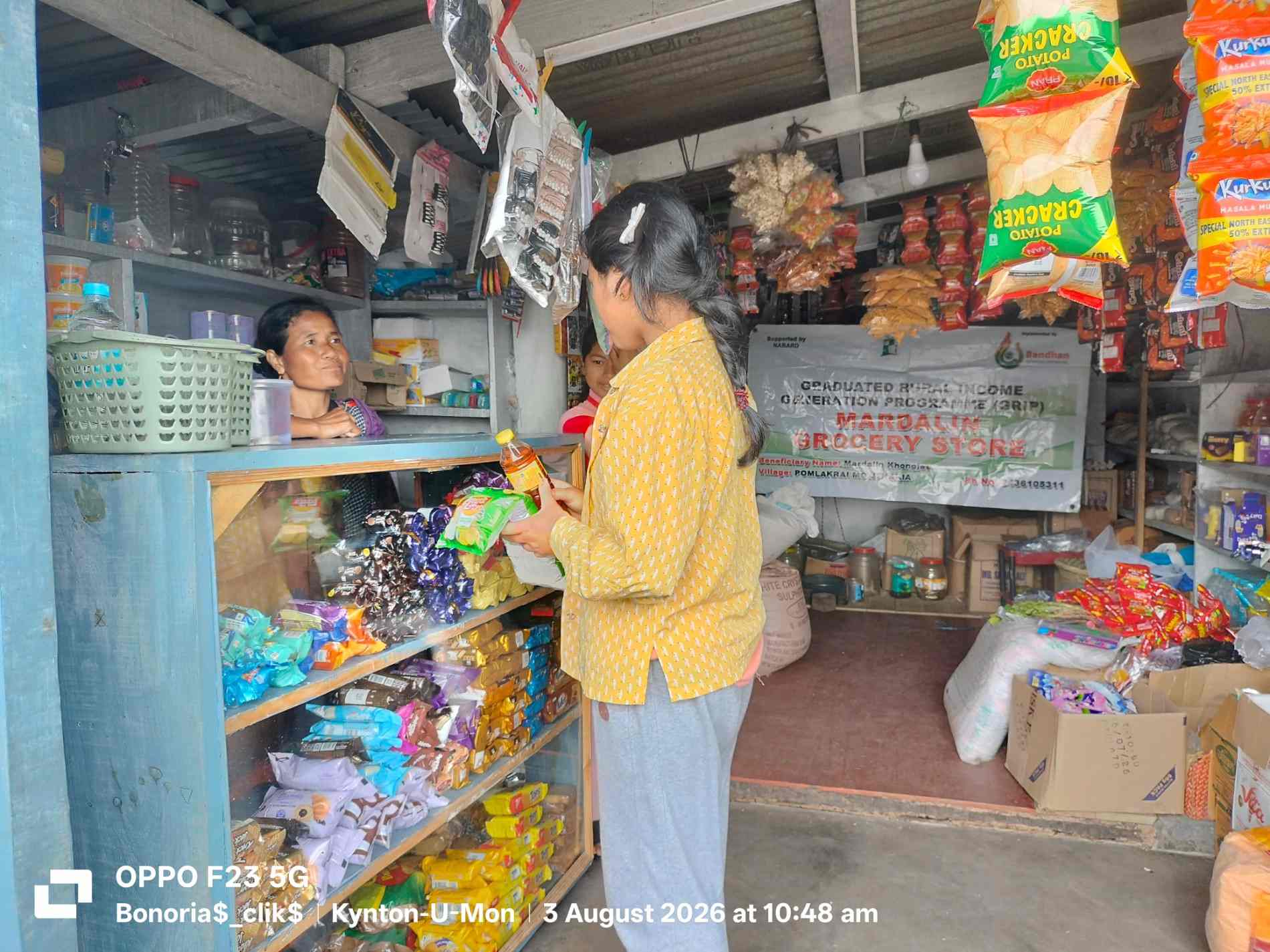
Since its launch on 01 August 2024, GRIP has expanded its outreach across rural communities, supporting 2,500 beneficiaries across 5 states.
Productive assets, capacity building, financial inclusion, and continued support come together to create sustainable livelihoods, strengthened by financial discipline through the repayment of returnable grants and credit linkages that enable beneficiaries to scale up their livelihoods.
GRIP supports beneficiaries with productive assets aligned with their skills, livelihood potential and local market opportunities. The asset portfolio spans farm, non-farm and mixed (Combination of both Farm & Non-farm) livelihood activities, enabling households to develop sustainable sources of income.
Microenterprises and locally relevant businesses that create regular income and opportunities for future growth.
Agriculture and allied livestock activities aligned with local resources, skills and market conditions.
A combination of farm and non-farm activities that helps households diversify income sources and strengthen livelihood resilience.
SHG linkages strengthen beneficiaries' access to community networks, regular savings practices and pathways to formal financial services.
A closer look at the people, productive assets and local livelihood journeys that bring the GRIP model to life.
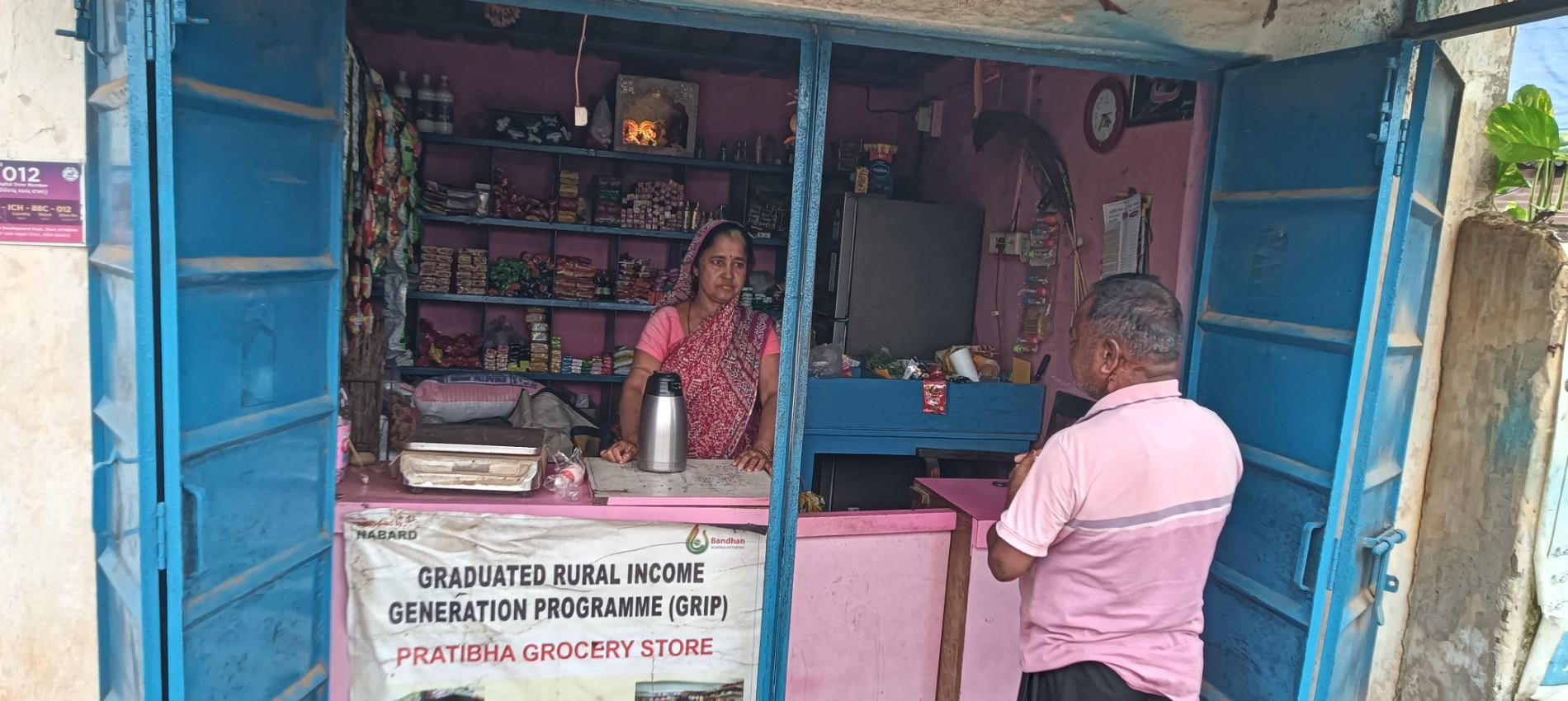
Browse the complete programme gallery using the arrows, thumbnails or a swipe gesture.
GRIP connects beneficiaries to the mainstream financial ecosystem — building the habits, history and confidence needed to become credit-ready individuals.
A closer look at people, productive assets, and livelihood journeys that bring the GRIP model to life—with 2,216 beneficiaries' productive assets valued at over Rs 23,000 and 2,459 beneficiaries progressing towards monthly incomes above Rs6,000. Behind these numbers are stories of resilience, enterprise, and renewed hope, as families turn productive assets into sustainable sources of income. GRIP is not just creating assets; it is enabling livelihoods, strengthening confidence, and opening pathways towards greater economic independence.
Newly accessed bank accounts or reactivation of dormant accounts
Beneficiaries reported developing a regular savings habit
Grants repaid by beneficiaries
Convergence to various government social security schemes
*As on 31 August 2026
As income grows, households build the capacity to save, and gradually diversify their livelihoods.
GRIP uses a returnable grant model designed to create a cycle of opportunity. As households become more stable, the programme can support the next household with the collected returnable grant on its path towards livelihood security.
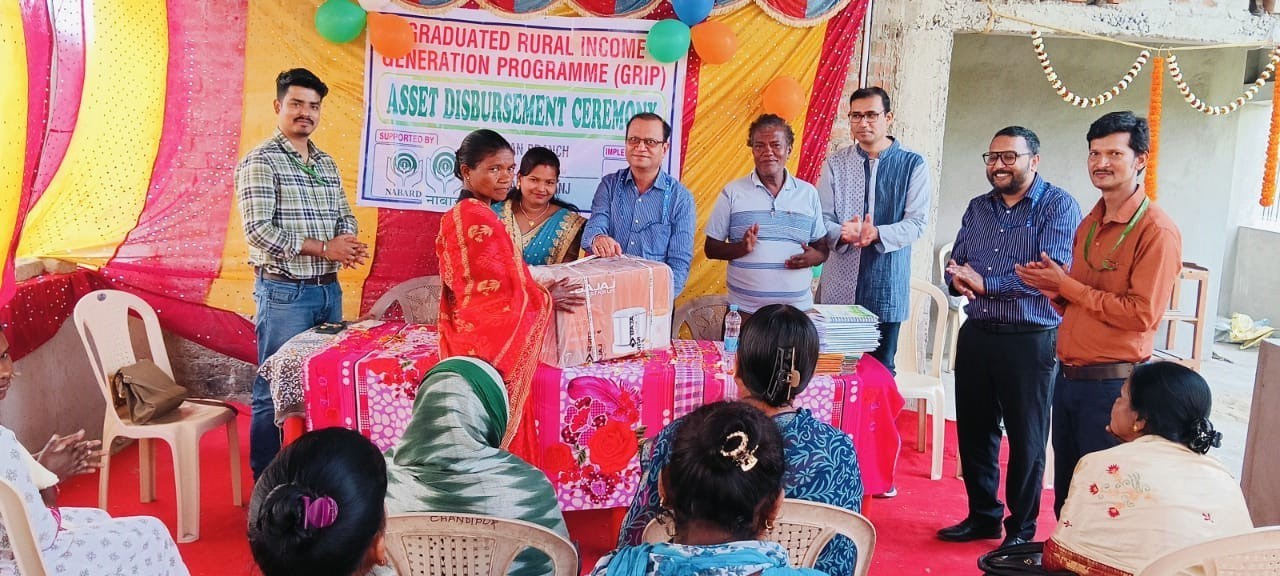
An integrated support system helps households progress from vulnerability towards sustainable economic participation.
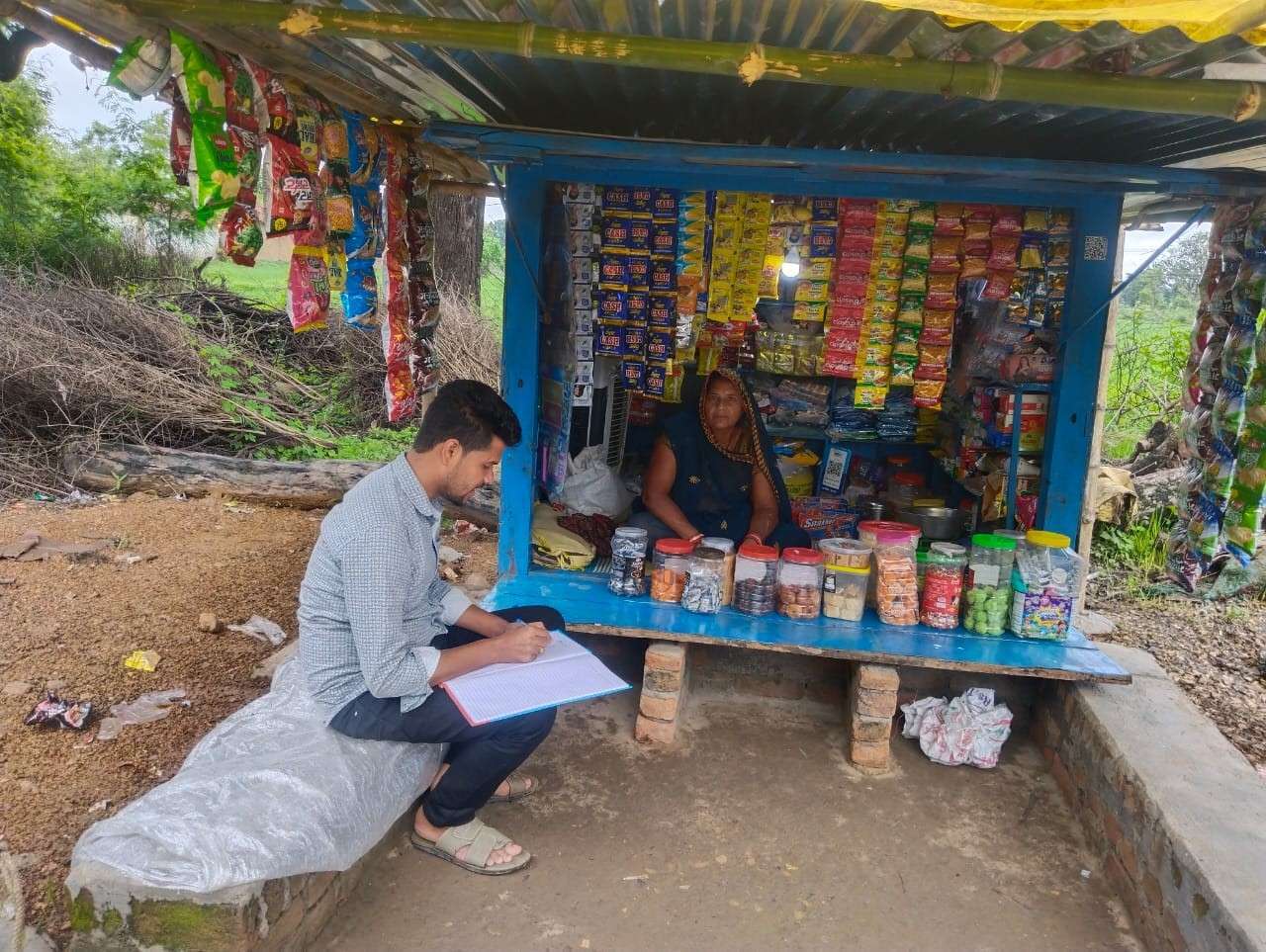
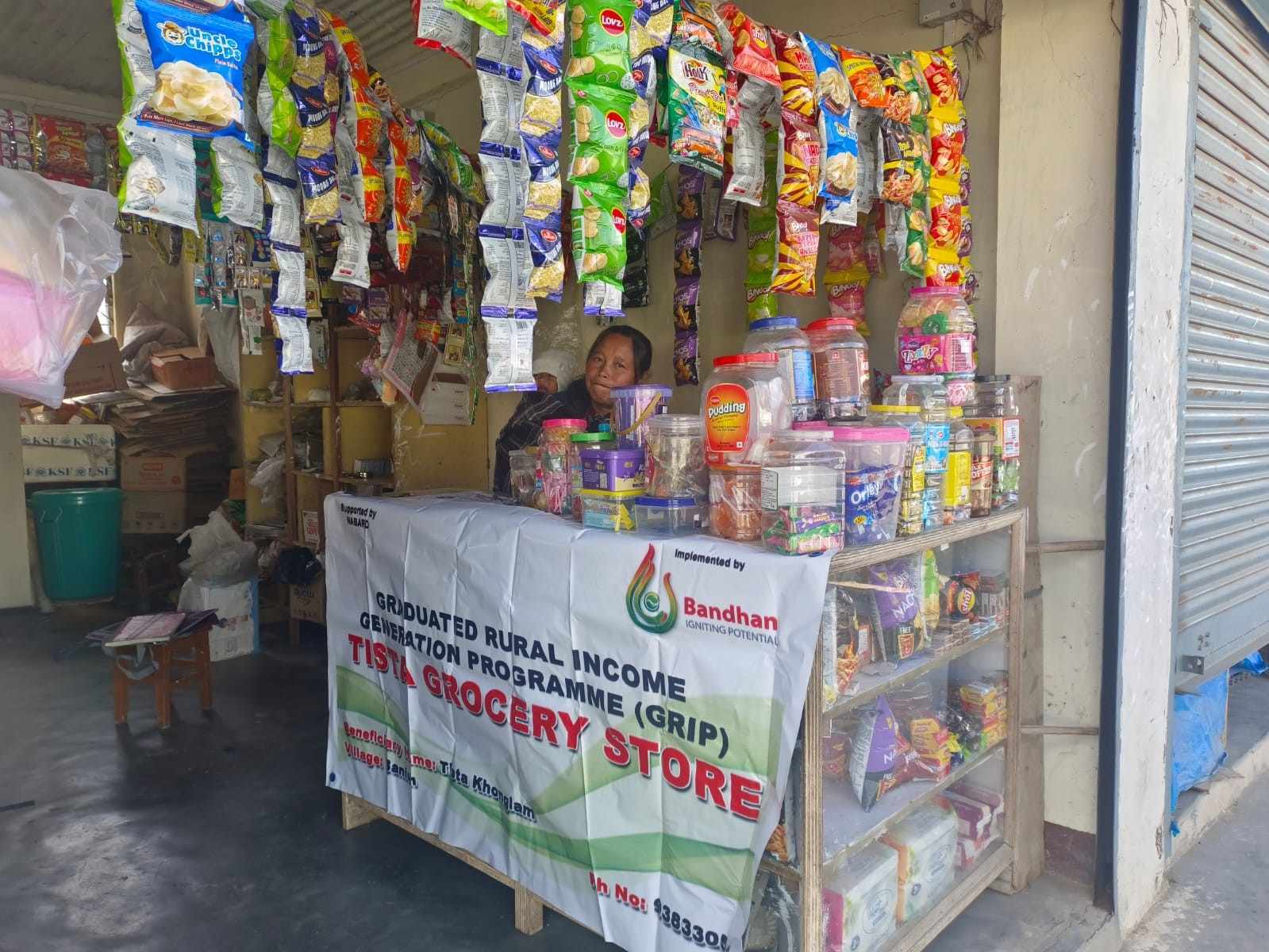
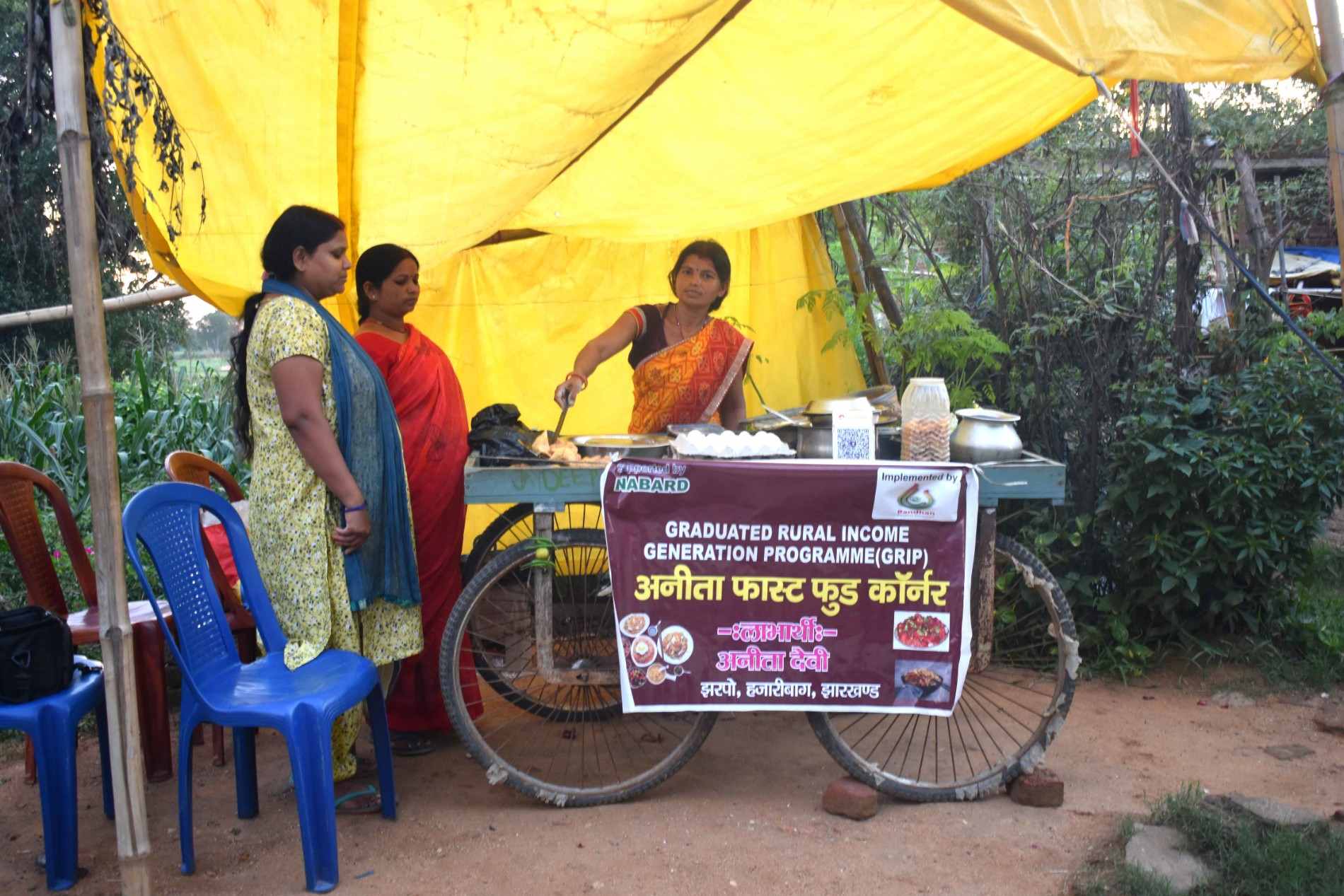
Livelihood support is reinforced through capacity building,
community networks, social protection and access to formal finance
— helping families build stronger, more resilient livelihoods.
The credit linkage process is currently underway, with the programme
aiming to support at least 25% of beneficiaries to appropriate credit
opportunities to help them scale their businesses.
Creating productive assets and dependable household income.
Building financially active and credit-ready households.
Strengthening confidence, participation and decision-making.
Improving savings, food security and access to essential services.
65% have built stronger formal businesses through Udyam Registration
Enrolment of 94% beneficiaries under various social security schemes like PMSBY, PMJJY, APY and others