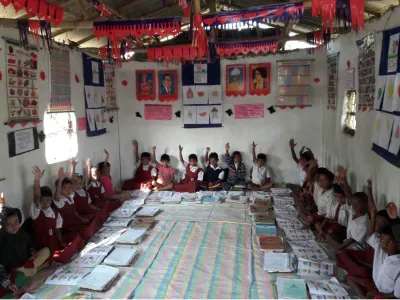
This programme encourages a diverse age group of underprivileged children to begin and sustain academics amidst a congenial environment.
This programme encourages a diverse age group of underprivileged children to begin and sustain academics amidst a congenial environment.
Read More
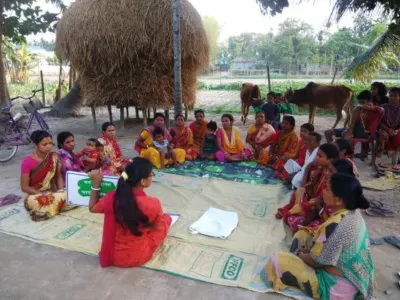
This programme is aimed at deepening financial inclusion in rural communities.
This programme is aimed at deepening financial inclusion in rural communities. In the crusade to ensure holistic development of people and communities, financial literacy and inclusion is the tool that assists them to move from sustenance to a sustainable growth path.
Read More
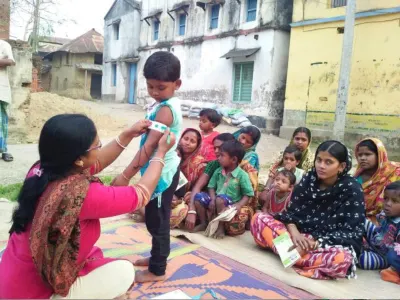
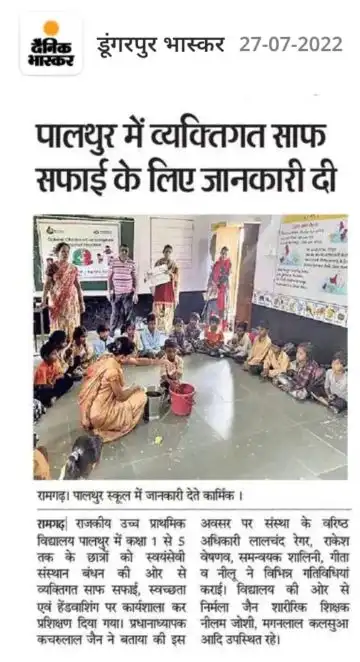
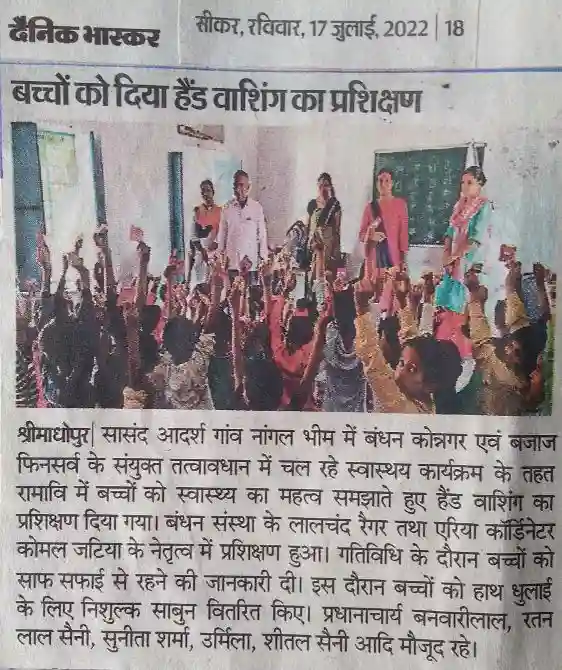
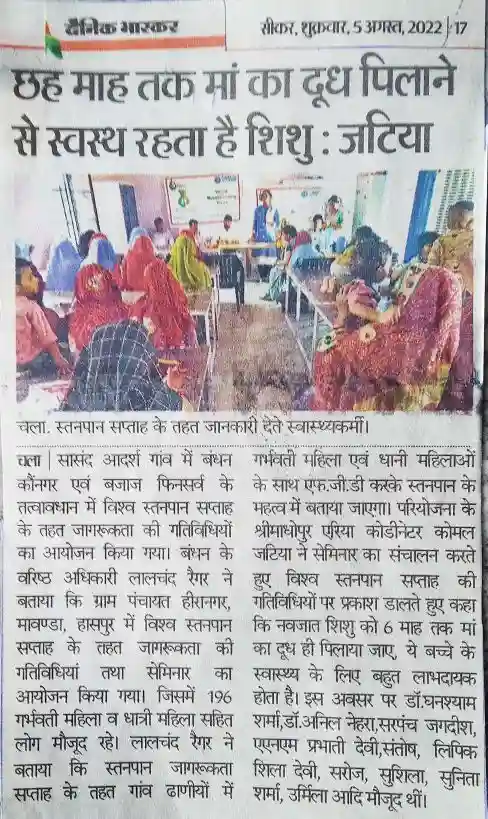
This programme aims to increase health awareness with the goal of improved health and wellbeing of underprivileged families.
This programme aims to increase health awareness with the goal of improved health and wellbeing of underprivileged families. It gives special focus on under-5 children, pregnant women, lactating mothers and adolescent girls regarding safe motherhood, child nutrition, personal hygiene and sanitation issues.
Read More
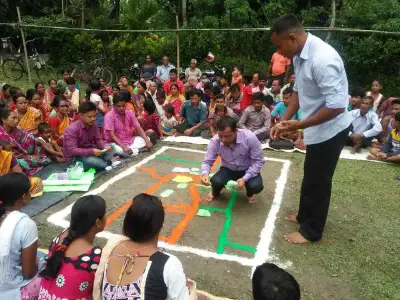
This is a unique programme designed for the poorest of the poor.
This is a unique programme designed for the poorest of the poor. They are selected through a Participatory Rural Appraisal (PRA) exercise. Grants (in the form of free assets, not cash) are offered to destitute women.
Read More

This programme is aimed at addressing the issue of unemployment in India.
This programme is aimed at addressing the issue of unemployment in India. Vocational centres known as Bandhan Skill Development Centres (BSDC) are set up which provide training to unemployed youth.
Read More

Bandhan-Konnagar (Bandhan) a not for profit organization, registered under West Bengal Societies Registration Act, 1961, began its journey in 2001, with the aim of women empowerment and poverty alleviation Believing that access and control around livelihood and household social and economic decisions are core to social transformation, Bandhan’s core activities were centered around microfinance and development services.
Read MoreBandhan-Konnagar looks at eliminating poverty through gender empowerment. We are exploring every opportunity to address poverty and its underlying causes, across the country and bring women at the center of development. We look at young, energetic, agile and innovative minds along with seasoned professionals to support us in our journey. Feel free to reach out to us to contribute to the efforts of Bandhan-Konnagar. You can work with us as a volunteer, consultant or as part of our team working on the ground and living in the community where we seek to make change.
Share with us your interest and curriculum vitae and if there is any opportunity suitable for you, we will reach out to you.
Contact UsBandhan has been dedicated to transforming lives through its holistic and differentiated programmes and interventions. To achieve its goal of creating meaningful impact, the H.P. Ghosh Research Centre was established under the aegis of Bandhan-Konnagar to provide a forum to Kolkata’s intellectual community to engage themselves with issues of nation building in India and world politics.
Read More





















 13
States
13
States
 25,765
Village/wards
25,765
Village/wards
 2,362
Staff
2,362
Staff
 38,46,964
Total Households Covered
38,46,964
Total Households Covered

